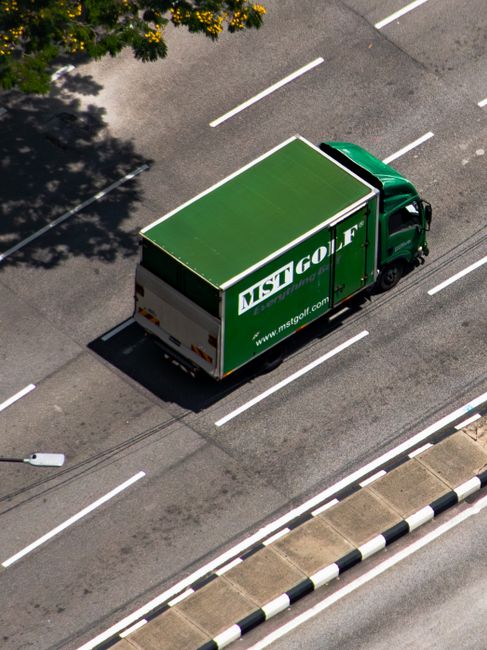
Anerley Road moving service advice for narrow access
If you are moving on or near Anerley Road, narrow access can turn a normal moving day into a bit of a puzzle. Tight hallways, parked cars, basement steps, awkward corners, and a van that cannot sit right outside the door all add time, stress, and risk. The good news? With the right preparation, Anerley Road moving service advice for narrow access is less about drama and more about smart planning.
This guide explains how narrow-access moves work, what to check before moving day, how to avoid costly delays, and when it makes sense to use smaller vehicles, extra carrying help, or storage as a buffer. It is written for real life, not an idealised version of it. Because let's face it, most London streets do not politely open up for moving vans.
If you want a broader sense of the services that support local moves, you can also explore local removals, man and van support, and removals and storage options for moves that need a little flexibility.
Table of Contents
- Why narrow access matters on Anerley Road
- How a narrow-access move works
- Key benefits and practical advantages
- Who this is for and when it makes sense
- Step-by-step guidance
- Expert tips for better results
- Common mistakes to avoid
- Tools, resources and recommendations
- Law, compliance, standards and best practice
- Options and comparison table
- Real-world example
- Practical checklist
- Conclusion
- Frequently asked questions
Why Anerley Road moving service advice for narrow access Matters
Narrow access changes the whole shape of a move. On a street like Anerley Road, the issue is not just whether the van can park. It is whether people can carry furniture safely from door to vehicle without blocking traffic, damaging walls, or running out of patience halfway through the first sofa. That sounds obvious, but in practice it is where many moves go wrong.
When access is tight, every extra step matters. A mattress that would take two minutes to load on a wide driveway may take 15 minutes if it has to be angled through a shared stairwell and down a narrow front path. A wardrobe that looks manageable in a living room can become a hazard when it has to be turned at an awkward bend. Time, sweat, and small scrapes on doorframes tend to appear together. Charming, really.
Good advice for narrow access is about more than convenience. It protects belongings, reduces lifting strain, keeps neighbours happier, and helps the moving team work in a safer rhythm. It also gives you a realistic plan, which is underrated. Truth be told, stress often comes from uncertainty, not the move itself.
Expert summary: If access is tight, the winning move is to plan the route first, reduce the size of each item load, and use the smallest practical vehicle and the right number of hands. Simple, but extremely effective.
For home moves with stairs, shared entrances, or compact flats, a specialist flat removals approach can be far more practical than trying to handle everything as a standard house move.
How Anerley Road moving service advice for narrow access Works
A narrow-access move usually starts with an access check. That means looking at the entire journey, not just the front door. Can a van stop nearby without causing issues? Is there a turning point for the vehicle? Are there railings, steps, low branches, or parked cars that will affect carrying distance? Are the stairs tight, or is there a lift with limited space? These details decide the plan.
Once the access picture is clear, the moving method is matched to the property. In many cases this means using a smaller vehicle or splitting the move into stages. Some jobs are best handled by a smaller team making more trips. Other jobs benefit from a larger team carrying fewer large items at once. The right answer depends on the layout, the volume of belongings, and whether you are dealing with awkward items like wardrobes, desks, or white goods.
One useful thing to understand is that narrow-access planning is not really about speed. It is about flow. Good movers keep the route clear, protect corners and bannisters, and avoid overloading any one person. That steady approach matters more than trying to "just get it done" in a rush.
Many customers also use storage as a pressure valve when the access situation is especially tight. For example, if your new place is not quite ready, or if you need to empty a room before bulky items can come through, temporary storage can save the day. In those situations, short-term storage or mobile self storage can make the move far easier to sequence.
Key Benefits and Practical Advantages
Planning for narrow access is worth the effort because it changes the whole experience of the move. Instead of reacting to problems as they happen, you are reducing them before they appear. That is the real advantage.
- Less risk of damage: Better route planning helps avoid scratches, knocks, and crushed corners.
- Safer lifting: Smaller loads and clearer walkways reduce strain on backs, hands, and shoulders.
- Fewer delays: A move that is planned around access usually keeps moving at a steady pace.
- Better vehicle choice: The right van size can be more important than a bigger one.
- Less neighbour friction: A tidy, organised move is simply easier on everyone nearby.
- More flexibility: Storage and smaller service options help when the property layout is awkward.
There is also a financial upside. If the moving team knows about narrow access in advance, they can quote more accurately. That does not always mean the job is cheaper, but it does mean you are less likely to run into last-minute changes. Nobody enjoys surprise add-ons on moving day, especially when the kettle is already packed.
For people moving from a flat, student accommodation, or a small household, you may find that a smaller service is enough. In some cases, small removals are a better fit than a full-scale removal vehicle, and that can make the entire day feel calmer.
Who This Is For and When It Makes Sense
This advice is useful for anyone whose property has limited space for loading or unloading, but some situations are especially common.
- People moving from upper-floor flats with stair access only
- Households on narrow residential roads with limited parking
- Tenants in older buildings with tight hallways and awkward turns
- Students moving in or out with boxed items, bags, and small furniture
- Small businesses relocating equipment or documents from compact premises
- Families moving bulky furniture where access is tight at either end
It also makes sense when you are moving at a time when street parking is unpredictable. Morning deliveries, school runs, bins, and the usual London stop-start traffic can make an otherwise easy job more complicated. If you have ever watched a van wait patiently while three people negotiate a sofa around a corner, you will know what I mean.
Business moves can be particularly sensitive because downtime matters. For those cases, office removals and business storage may help keep stock, files, and equipment organised while access issues are managed properly.
Step-by-Step Guidance
If you want the move to feel manageable, break it down. Narrow access becomes much less intimidating once you treat it like a sequence rather than one giant task.
- Walk the route from van to room. Measure the tightest doorways, stair bends, hall corners, and any outside pinch points.
- Identify parked-car risk. Note where a van can stop, how long it can realistically stay there, and whether there is space to manoeuvre.
- List the awkward items. Sofas, wardrobes, beds, mirrors, desks, and appliances often need special handling.
- Reduce the number of large pieces. Disassemble what you can safely dismantle. Keep screws, bolts, and fittings in labelled bags.
- Pack by carry size, not by room. In narrow access, smaller consistent boxes are easier than a few overloaded ones.
- Protect the route. Use covers for bannisters, corners, floors, and door frames where needed.
- Choose the right service mix. You may need a smaller van, more labour, or a combined removals-and-storage approach.
- Confirm timings and contact details. A clear arrival window and a backup phone number can save hassle on the day.
If the move includes packing support, it can be worth using packing services so fragile items are wrapped consistently and the boxes are stacked with carry access in mind. That little detail matters more than people think.
For homes where items need to move out before the new place is quite ready, household storage can bridge the gap without filling your spare room to the ceiling.
Expert Tips for Better Results
After enough moves, a few patterns become very clear. The following tips are the sort that make a genuine difference on a tight-access day.
- Measure the item, not just the room. A sofa can fit in the lounge but still fail at a stair landing.
- Use the calmest loading window possible. Early morning is often easier than mid-afternoon, especially where parking is tight.
- Keep one path clean and one path closed. A clutter-free route reduces mistakes. It also stops everyone from tripping over the same box three times.
- Pack heavier items into smaller boxes. It sounds basic, but it saves shoulders and saves time.
- Label items by destination and priority. Not just "kitchen" or "bedroom"; add "open first" for essentials.
- Confirm whether the building has rules. Some blocks have move-in times, lift booking systems, or stairwell protection requirements.
One practical trick: keep a slim "first hour" bag with tea, medication, chargers, keys, snacks, and toilet paper. Slightly unglamorous, yes, but you will feel clever about it later.
If your move includes an especially heavy or bulky item, a service like furniture storage can be sensible while you decide what actually fits the new space. It is easier to move once than to force it into the wrong corner twice.
Common Mistakes to Avoid
Narrow access moves tend to fail for predictable reasons. The good news is that they are mostly avoidable.
- Underestimating carrying distance. "Just around the corner" can become a long walk when loading bays are unavailable.
- Booking the wrong size vehicle. Too large can be as troublesome as too small if the road is tight.
- Leaving packing until the last minute. Rushing leads to unstable boxes and breakage.
- Forgetting about shared access. Communal stairs, entrances, and lifts can slow everything down.
- Not warning the movers about awkward items. They need to know about heavy mirrors, fragile glass, or oversize wardrobes in advance.
- Blocking the route with loose clutter. Shoe racks, plant pots, and extra bags have a habit of getting in the way at exactly the wrong moment.
One more thing: do not assume the shortest route is the best route. Sometimes the slightly longer carry is actually safer and quicker because it avoids a tight bend or a narrow stair corner. Oddly enough, the "easy" path can be the awkward one.
Tools, Resources and Recommendations
You do not need a van full of specialist gear to manage a narrow-access move, but a few practical tools help a lot.
| Tool or approach | What it helps with | Best used when |
|---|---|---|
| Measuring tape | Checking doors, halls, stairs, and item dimensions | Before booking or dismantling furniture |
| Furniture blankets and covers | Protecting walls, woodwork, and delicate finishes | When corners and bannisters are tight |
| Labelled box set | Keeping loads balanced and destination-ready | For fast unloading in a cramped property |
| Basic toolkit | Removing legs, shelves, and fittings | Before moving large flat-pack or assembled furniture |
| Storage option | Creating a pause between move-out and move-in | When access, timing, or furniture fit is uncertain |
For customers who want extra flexibility, services such as mobile self storage can reduce the number of times heavy items are handled. That is a real win where stairs or parking are awkward. And if you are trying to keep costs under control while staying safe, it is worth looking at pricing and quotes early rather than treating it as the last step.
Law, Compliance, Standards and Best Practice
For most domestic moves, the main concerns are safety, access management, and property care rather than complex regulation. Still, a professional moving service should work in line with normal UK health and safety expectations: clear walkways, sensible lifting practices, and appropriate care when handling items in communal areas or on public roads. That is not overkill. It is just good practice.
If a vehicle needs to stop on a busy street, be mindful of local parking restrictions, yellow lines, loading rules, and any building-specific move arrangements. Where there are shared stairs or lifts, it is fair to expect the moving team to avoid damage and to leave access areas tidy. In London, the practical reality is often more important than the theory. One wrong parking decision can throw the whole day off.
Insurance also matters. You should always understand what cover is in place for goods in transit and what responsibilities you have for packing fragile items. A service provider that takes this seriously will usually make the scope clear in advance, and that transparency is a good sign. If you want to understand more about that side of the process, it is sensible to review insurance and safety guidance as part of your planning.
Environmental good practice can matter too, especially if the move generates packing waste, old furniture, or cardboard that needs dealing with. Using a service with a sensible waste and reuse mindset is no bad thing. You can read more about the company's approach through its recycling and sustainability information.
Options, Methods, or Comparison Table
Not every narrow-access move needs the same setup. Here is a simple comparison to help you think it through.
| Option | Best for | Strengths | Watch-outs |
|---|---|---|---|
| Full removals team | Larger homes or full household moves | Efficient for bigger volumes, handles heavy lifting | May need careful route planning on tight streets |
| Man and van | Smaller moves or flexible jobs | Useful for compact access and smaller item counts | Can require more trips if volume is underestimated |
| Removals plus storage | Moves with timing gaps or space issues | Reduces pressure when access or dates do not line up | Needs more planning and item inventory control |
| Small removals | Studios, one-bed flats, partial moves | Economical and often better for tight access | Not ideal for multiple large furniture items |
For a lot of Anerley Road properties, the smartest answer is not "bigger" but "more suitable". That might mean a smaller vehicle with good carrying support, or it might mean splitting the move across two stages. The right fit is what keeps the day calm.
Case Study or Real-World Example
Picture a second-floor flat on a busy stretch of road near Anerley Road. The building has a narrow front path, a tight stairwell, and no guaranteed parking directly outside. A standard move plan would probably look fine on paper, then wobble when the van arrives and there is nowhere easy to stop.
In a practical narrow-access setup, the move would be handled differently. The mover would check the carrying route in advance, ask about the largest furniture items, and identify what can be dismantled before moving day. Boxes would be packed in manageable sizes rather than stacked high and heavy. A smaller van or a more flexible service option would reduce the problem of vehicle access. If there was a gap between move-out and move-in, a short storage period could keep everything together rather than forcing a rushed compromise.
What tends to surprise people is that the move feels better when it is slower on purpose. There is less shouting, fewer "careful, careful" moments, and much less backtracking. The stairs still feel like stairs, obviously, but the whole thing becomes manageable. Not glamorous. Just better.
Practical Checklist
Use this checklist the day before and again on the morning of the move.
- Measure doorways, stairs, lifts, and the largest furniture items
- Confirm where the van can stop and for how long
- Tell the moving team about any tight corners or low ceilings
- Disassemble furniture that will not fit safely as-is
- Pack fragile items separately and label them clearly
- Keep a clear route from the front door to the loading point
- Protect floors, banisters, and corners where needed
- Set aside essentials for the first night
- Check whether any items are going into storage
- Keep keys, paperwork, and phones easy to reach
If you are moving at short notice, it may also help to look at short-term storage and house removals together so you can build a plan that fits the access situation rather than fighting it.
Conclusion
Narrow access does not have to mean a difficult move. It just means the move needs more thought at the start. Measure properly, pack sensibly, choose a suitable vehicle, and be honest about the layout. That is usually enough to turn a stressful day into a controlled one.
The best Anerley Road moving service advice for narrow access is simple: respect the route, reduce the load where you can, and leave room for practical flexibility. A move that is planned around the property, rather than forced through it, usually ends with fewer problems and a lot less frustration.
If you are weighing up options for a tight-access move, start by checking the most relevant service route for your situation and then build from there. A little planning now can save a surprisingly big headache later.
Get a free quote today and see how much you can save.
Frequently Asked Questions
What counts as narrow access on a moving day?
Narrow access usually means the van cannot park right outside easily, or the walking route from the vehicle to the property is tight, obstructed, or awkward. That can include narrow stairs, small lifts, tight front paths, shared entrances, or roads with limited stopping space.
Do I need to tell the removals company about narrow access in advance?
Yes, absolutely. The earlier they know, the better they can plan the vehicle size, crew numbers, and route. It also helps reduce delays and makes the quote more accurate. Leaving it until moving day is usually where trouble starts.
Is a smaller van better for Anerley Road moves?
Often, yes. A smaller van can be easier to park and manoeuvre on tight roads. That said, the best choice depends on the number of items and whether multiple trips would be more efficient than trying to load everything at once.
Can I use storage if my new home is not ready yet?
Definitely. Storage can be a very practical bridge when dates do not line up, access is too tight for everything at once, or you simply need to clear space before bigger items arrive. Short-term or mobile storage can both be useful depending on timing.
What items cause the most trouble with narrow access?
Large sofas, wardrobes, beds, mattresses, mirrors, fridge-freezers, and oversized desks tend to be the biggest headaches. They can fit inside a home but still fail at stair turns, hallway bends, or doorway widths.
Should I dismantle furniture before the move?
Where it is safe to do so, yes. Taking legs off tables, separating bed frames, and removing shelves or doors can make a huge difference. Just keep all fittings together in labelled bags so reassembly is not a treasure hunt.
How do I know whether I need packing services?
If you have fragile items, little time, or a lot of mixed boxes to organise, packing help can be worthwhile. It is especially useful when items need to be carried through tight spaces because consistent packing makes loading safer and quicker.
What if parking is impossible right outside my property?
Then the move needs to be planned around the real walking distance from van to door. That may mean more carrying time, a different vehicle position, or a move time chosen to reduce traffic pressure. It is not unusual, and it can still work well with the right setup.
Are flat moves different from house moves when access is tight?
Yes, very much so. Flats often involve stairs, communal entrances, lifts, and tighter internal spaces, which makes route planning even more important. A specialist flat removals approach is often a better fit than a standard house move assumption.
How can I reduce the risk of damage in a narrow hallway or stairwell?
Protect corners and bannisters, clear the route in advance, use the right number of people for heavier items, and do not overload boxes. Slow, controlled movement is safer than trying to push through quickly. It is a bit dull, but it works.
What if I only have a few items to move?
Then small removals or a man and van service may be more appropriate than a larger vehicle and crew. For a modest load, that can save money and make access problems much easier to manage.
Can removals and storage be booked together?
Yes, and in narrow-access situations that combination is often very useful. It gives you breathing room if not everything can be moved in one clean sweep, or if the property layout means certain items need to go in a different sequence.
What is the best first step if I am unsure about access?
Start by measuring the key points: doorways, stairs, any turns, and where a van could stop. Then talk through the largest items and the date you need to move. A quick access check at the start saves a lot of second-guessing later.